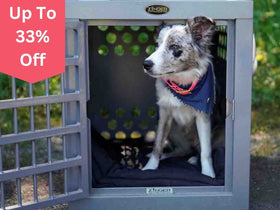
Dog crates are typically small, enclosed spaces made of metal, plastic, or fabric that are used for housing dogs. They are also commonly referred to as dog kennels or dog cages. Dog crates come in various sizes and styles, with doors that can be opened or closed.

Dog crates can be beneficial for dogs in these five unique ways:
-
Security and Safety: Crates provide a safe and secure space for dogs to retreat to, similar to a den-like environment. Dogs have a natural instinct to seek out small, enclosed spaces, which can help them feel safe and secure. Crates can also prevent dogs from accessing hazardous areas in the home or getting into trouble when unsupervised.
-
Training Aid: Crates can be used as a tool for house training or potty training puppies. Dogs naturally avoid soiling their living spaces, so crates can help teach them to hold their bladder and bowel movements until they are taken outside. Crates can also assist with teaching dogs basic obedience commands and reducing destructive behavior, such as chewing or excessive barking.
-
Travel Convenience: Crates can be used for transporting dogs safely in vehicles, such as during car trips or airline travel. Crates can provide a familiar and secure space for dogs while traveling, reducing stress and ensuring their safety during transit.
-
Management & Control: Crates can be used to manage and control a dog's behavior in certain situations, such as when introducing a new pet to the household, during times of illness or injury, or when guests visit the home. Crates can also be used to separate dogs if they have a history of aggressive behavior or if they need to be separated for any other reason.
-
Comfort & Relaxation: Dogs often view their crates as a comfortable and familiar place to rest, relax, and sleep. Crates can be equipped with comfortable bedding, toys, and water to provide a cozy environment for dogs to rest and feel at ease.
It's important to note that crates should be used in a humane and responsible manner, and dogs should never be left in crates for extended periods of time without proper exercise, socialization, and human interaction.
Crates should also be spacious enough for the dog to stand up, turn around, and lie down comfortably, and should never be used as a means of punishment.
Proper crate training techniques should be used to ensure that dogs view their crates as positive and safe spaces. Consulting with a professional dog trainer or veterinarian can be beneficial in understanding how to use crates effectively and safely for your individual dog's needs.
Interested in checking out some dog crates that have passed stringent quality control checks? Click here. 🐾